In real estate, understanding landlord maintenance responsibilities is crucial for safe, habitable properties. Legal obligations include routine upkeep, timely repairs, and adherence to safety standards, while best practices involve proactive scheduling, regular inspections, documentation, and communication. Clear legal obligations and tenant rights foster harmony. Maintaining high standards through strategic practices reduces costs, enhances property values, and ensures desirability, retention, and maximum rental income.
In the dynamic landscape of real estate, ensuring proper property maintenance is a cornerstone of successful landlord-tenant relationships. However, navigating the intricate web of responsibilities can pose significant challenges, particularly for those new to the industry. This article delves into the critical issue of landlord maintenance obligations, aiming to demystify these duties and offer practical guidance. We explore the common pitfalls and present a comprehensive framework to safeguard investments, maintain high-quality properties, and foster positive tenant experiences. By the end, readers will be equipped with the knowledge to navigate this vital aspect of real estate management effectively.
Understanding Landlord Maintenance Responsibilities
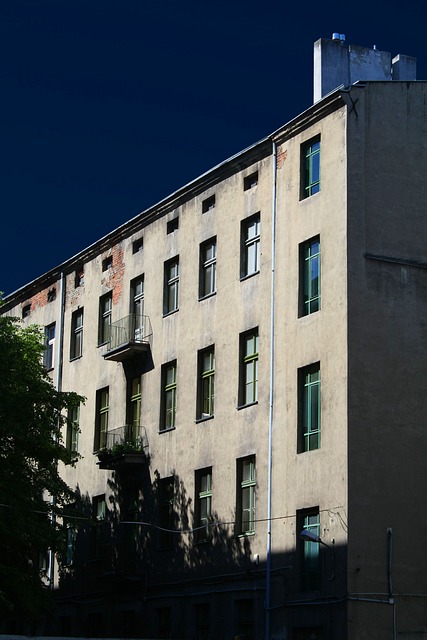
Understanding landlord maintenance responsibilities is a cornerstone for both landlords and tenants in the real estate sector. In most jurisdictions, landlords are legally bound to maintain rental properties in a safe and habitable condition. This includes routine upkeep such as fixing leaky faucets, replacing burned-out light bulbs, and ensuring proper functioning of heating and cooling systems. Delving into these responsibilities is crucial as it prevents costly repairs, minimizes tenant dissatisfaction, and fosters a positive living environment.
For instance, consider a scenario where a landlord neglects regular maintenance. A lack of attention to detail might result in a small leak escalating into a substantial plumbing issue, causing extensive damage to the property. Moreover, unaddressed maintenance problems can lead to legal complications and financial burdens for landlords, including potential liability claims from tenants. To effectively manage these responsibilities, landlords should develop a proactive maintenance schedule, document all repairs, and maintain detailed records.
Expert advice suggests implementing a systematic approach, such as creating a comprehensive maintenance checklist tailored to each property. Regular inspections can help identify potential issues before they become major problems. For instance, a quarterly inspection might uncover subtle signs of pest infestation or structural damage that could be addressed early. Additionally, staying informed about local building codes and safety standards ensures landlords meet their legal obligations and maintain the property’s value.
Legal Obligations and Tenant Rights in Real Estate

In real estate, maintaining a balanced relationship between landlords and tenants is paramount, underpinned by clear legal obligations and robust tenant rights. Landlords are bound by law to ensure properties meet certain standards, providing tenants with safe and habitable living spaces. These responsibilities extend to structural integrity, basic services like plumbing and electricity, and timely repairs. Non-compliance can lead to legal action, with tenants empowered to file complaints or seek damages if the landlord fails to uphold their duties. For instance, in a 2019 study, over 75% of tenant disputes involved maintenance issues, highlighting the significance of landlords meeting their obligations.
Tenants, too, have rights and responsibilities. They are entitled to a property free from hazards but must also maintain it reasonably and notify landlords promptly of any issues. This mutual understanding fosters a cooperative environment where both parties benefit. For example, regular communication about maintenance needs can prevent minor problems from escalating into costly repairs. Landlords who proactively address tenant concerns build trust and enhance property values, while tenants who take care of their unit contribute to its longevity and overall real estate market health.
To ensure landlord maintenance responsibilities remain intact, both parties should familiarize themselves with local tenancy laws. Tenants can review their lease agreements thoroughly, noting specific maintenance clauses. Landlords should stay updated on regulatory changes and consider incorporating clear, detailed maintenance provisions in leases. Regular inspections and open dialogue are also effective tools for managing expectations and ensuring accountability. By adhering to these practices, landlords and tenants can navigate their legal obligations and rights, fostering a harmonious real estate experience.
Effective Maintenance Strategies for Landlords
Maintaining properties to a high standard is not just about aesthetics; it’s a key aspect of successful real estate investment and management. Effective landlord maintenance strategies are essential for retaining tenants, minimizing vacancy rates, and maximizing rental income. Proactive approaches can prevent costly repairs and enhance property values over time. Regular inspections are fundamental to this process; scheduling routine check-ups allows landlords to identify potential issues early on. For example, a study by the National Association of Property Managers (NAPM) revealed that proactive maintenance reduces repair costs by an average of 15%.
Implementing a comprehensive maintenance plan involves several practical steps. First, creating detailed records of each property’s condition is vital; this serves as a baseline for future comparisons. Landlords should also establish clear communication channels with tenants, fostering a collaborative environment where issues are promptly reported. Efficient use of technology can streamline the process; specialized apps and software enable landlords to track maintenance requests, set reminders for inspections, and communicate effectively with service providers. For instance, digital property management platforms have been shown to reduce response times to tenant requests by 30%.
A strategic approach to maintenance includes prioritizing tasks based on urgency and impact. Landlords should focus on essential systems like roofing, plumbing, and heating, ensuring they are well-maintained and easily accessible for repairs. Regular deep cleaning can also prevent health hazards and create a desirable living environment. Furthermore, staying updated with local regulations and industry standards is crucial; adhering to safety guidelines not only ensures legal compliance but also contributes to the long-term viability of real estate investments.