In real estate, landlords have legal obligations to maintain and repair rental properties, addressing safety, habitability, and health/safety concerns. Tenants have rights to a secure environment and prompt responses to repairs. Effective communication through clear channels prevents costly repairs by promptly addressing minor issues. A collaborative approach benefits both parties in the long term.
In the dynamic realm of real estate, ensuring seamless tenant experiences requires clear understanding of landlord maintenance responsibilities. This article delves into the legal obligations and rights that shape these duties, guiding property owners to meet expectations. Discover effective communication strategies for prompt resolution of maintenance issues. Stay informed to foster positive relationships with tenants, maintaining the value and condition of your properties.
Understanding Landlord Maintenance Responsibilities
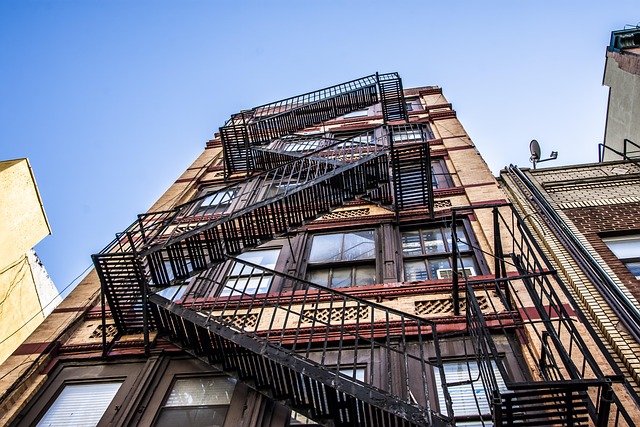
In the real estate world, landlords have certain legal obligations to maintain and repair rental properties. Understanding these responsibilities is crucial for both landlords and tenants alike. Landlord maintenance responsibilities include ensuring the property is safe and habitable, making essential repairs promptly, and regularly inspecting the premises to identify potential issues.
These duties vary based on local tenancy laws but generally cover structural elements like roofs, walls, floors, and essential appliances. Landlords must also maintain common areas and outdoor spaces, keep the property clean, and address health and safety concerns. Prompt action on maintenance issues not only keeps tenants happy but also prevents small problems from escalating into costly repairs.
Legal Obligations and Tenant Rights
In many real estate agreements, landlords have legal obligations to maintain the property in a safe and habitable condition. This includes addressing structural issues, providing essential services like heating and plumbing, and ensuring the property complies with local health and safety codes. Tenants, on the other hand, enjoy certain rights. They have the right to live in a safe environment free from hazards and the right to notify landlords of needed repairs. When tenants exercise their rights, landlords are legally bound to respond promptly.
A clear understanding of these legal obligations and rights is crucial for both parties. Tenants should be aware of their ability to hold landlords accountable when maintenance needs are ignored or mishandled. Similarly, landlords must recognize their responsibilities to maintain a livable space, avoiding potential legal issues and fostering positive tenant-landlord relationships.
Effective Communication Strategies for Maintenance

Effective communication is key when it comes to maintaining a healthy landlord-tenant relationship, especially regarding maintenance responsibilities in the real estate sector. Landlords and tenants should establish clear channels for reporting and addressing maintenance issues promptly. A straightforward and transparent approach can prevent minor problems from escalating into larger, more costly repairs.
Tenants should feel comfortable reaching out via phone, email, or even dedicated mobile apps to report maintenance needs. Landlords, in turn, must respond promptly, keeping tenants informed about the progress of any work. Regular updates, whether positive or negative, show respect for tenant’s time and investment, fostering a collaborative environment that benefits both parties in the long run.