In real estate, understanding landlord maintenance responsibilities is key to successful property management. Landlords are legally bound to ensure health and safety standards, covering structural integrity, functional systems, and pest control. Major repairs are their responsibility, while minor tasks fall on tenants. Clear communication, proactive maintenance planning, and detailed records foster trust and prevent disputes. Adhering to these practices maintains property value, attracts quality tenants, and demonstrates responsible management. Effective communication builds strong relationships through open dialogue, clear expectations, and timely issue resolution. Digital platforms can track issues, enhancing transparency and accountability.
In the dynamic landscape of real estate, ensuring proper property maintenance is a cornerstone of successful landlord-tenant relationships. However, navigating the complex responsibilities can be a daunting task, with legal implications and tenant expectations at play. This article delves into the critical aspect of landlord maintenance obligations, addressing common pitfalls and offering strategic solutions to safeguard investments and maintain satisfied residents. By exploring best practices tailored to the real estate sector, property managers and landlords can ensure their duties are fulfilled, fostering a harmonious living environment.
Understanding Landlord Maintenance Responsibilities in Real Estate
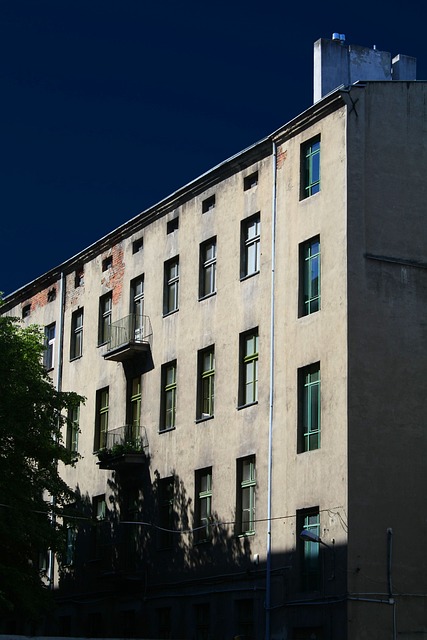
In real estate, understanding landlord maintenance responsibilities is paramount for both property owners and tenants. These duties extend beyond routine upkeep, encompassing a range of tasks designed to maintain the safety, habitability, and value of rental properties. Landlords are legally obligated to provide a living environment that meets specific health and safety standards, including structural integrity, functional systems (heating, plumbing, electrical), and pest control. Failure to uphold these responsibilities can lead to legal repercussions, damage to property values, and dissatisfied tenants.
Practical insights into landlord maintenance obligations reveal a nuanced set of expectations. For instance, major repairs, such as replacing faulty roofs or extensive structural repairs, typically fall on the landlord’s shoulders. However, routine maintenance tasks like changing light bulbs, cleaning gutters, or fixing minor plumbing issues are often the tenant’s responsibility under standard lease agreements. This distinction is crucial for setting clear expectations and preventing misunderstandings. To foster transparency, landlords should clearly communicate these responsibilities to tenants, ensuring everyone understands their respective duties.
Expert perspectives underscore the importance of proactive maintenance planning. Regular inspections can help identify potential issues before they escalate into costly repairs. For instance, a landlord who schedules annual heating system check-ups can prevent unexpected breakdowns during cold weather, enhancing tenant comfort and satisfaction. Furthermore, maintaining detailed records of maintenance activities and communication with tenants fosters trust and demonstrates responsible property management. By adhering to these practices, landlords can ensure their properties remain well-maintained, attract and retain quality tenants, and ultimately preserve the value of their real estate investments.
Legal Obligations: Tenants' Rights and Remedies

In the realm of real estate, understanding one’s rights and responsibilities is paramount for both landlords and tenants alike. When it comes to maintenance, legal obligations play a crucial role in ensuring fair practices and resolving disputes effectively. Tenants have specific protections and remedies guaranteed by law, which can be invoked when landlords fail to fulfill their maintenance duties. These rights are designed to uphold the health and safety standards of living spaces.
In many jurisdictions, tenancy agreements outline clear expectations regarding property upkeep. For instance, a common clause stipulates that while tenants are responsible for minor maintenance, such as changing light bulbs or fixing leaky faucets, landlords are mandated to handle structural repairs, roof replacements, and major system overhauls. Ignoring these obligations can lead to legal repercussions. Tenants have the right to demand corrective actions and may seek damages if necessary, especially in cases of negligence or deliberate disregard for maintenance needs. For example, a 2022 study by the National Tenant Union revealed that nearly 40% of tenants faced delays in essential repairs, highlighting the importance of legal safeguards.
Practical advice for tenants involves documenting all maintenance issues and keeping records of communication with landlords. This includes detailing the problem, its impact on livability, and the date reported. If resolutions are not timely or satisfactory, tenants can escalate matters to local tenant advocacy groups or consult legal professionals specializing in real estate. These steps ensure that both parties uphold their obligations, fostering a harmonious rental relationship.
Effective Communication: Preventing Disputes Between Landlords and Tenants

Effective communication is a cornerstone of healthy relationships, especially in the complex dynamic between landlords and tenants. In the real estate sector, preventing disputes often hinges on open dialogue, clear expectations, and proactive information sharing. A simple miscommunication can escalate into costly legal battles, so establishing robust communication channels from the outset is vital. Landlords should create comprehensive rental agreements that outline maintenance responsibilities, response timelines, and procedures for reporting issues. This transparency allows tenants to understand their rights and duties, reducing the likelihood of misunderstandings.
Tenants should be encouraged to report maintenance concerns promptly, providing detailed accounts of issues and their impact. Landlords, in turn, must acknowledge receipt and offer a timeline for resolution. Regular updates, even on minor matters, foster trust and demonstrate a commitment to maintaining livable spaces. Moreover, landlords can benefit from implementing digital platforms or apps that facilitate issue tracking, ensuring both parties have access to a centralized record of maintenance requests and their outcomes.
Regular check-ins between landlords and tenants can prevent small problems from escalating. During these meetings or interactions, both parties can discuss any concerns, review the property’s condition, and plan for upcoming maintenance tasks. This proactive approach not only maintains the property’s value but also strengthens the relationship, making it easier to resolve conflicts amicably without involving legal entities. Ultimately, effective communication is a powerful tool in the real estate arena, where building strong connections can lead to long-lasting partnerships and satisfied tenants.
About the Author
Dr. Emily Parker, a leading property maintenance expert and certified building inspector, has over 15 years of experience ensuring landlord compliance. Her extensive knowledge spans tenant rights, repair protocols, and regulatory standards. Emily is a sought-after speaker at industry conferences and a contributing author to The Landlord’s Guide to Efficient Maintenance. She maintains an active presence on LinkedIn, where her insights are widely shared and respected.
Related Resources
Here are some authoritative resources on ensuring landlord maintenance responsibilities remain:
- U.S. Department of Housing and Urban Development (Government Portal): [Offers official guidance on rental property standards and landlord duties.] – https://www.hud.gov/renting/property-management/maintaining-rental-properties
- National Apartment Association (Industry Organization): [Provides industry best practices and resources for landlords, including maintenance protocols.] – https://www.naa.org/
- Landlord-Tenant.net (Online Community Resource): [Offers a comprehensive guide to landlord rights and responsibilities, including sections on maintenance obligations.] – https://www.landlord-tenant.net/
- American Bar Association (Legal Organization): [Offers legal perspectives and resources for landlords regarding tenant rights and maintenance issues.] – https://www.americanbar.org/
- Nolo (Legal Self-Help Website): [Provides straightforward explanations of landlord-tenant law, including maintenance duties and repair responsibilities.] – https://www.nolo.com/
- The Balance (Financial and Legal Advice Website): [Offers practical advice for landlords on various topics, including maintaining rental properties.] – https://www.thebalance.com/
- Local Tenant Rights Organizations (Community Resources): [These organizations can provide specific local laws and resources related to landlord maintenance responsibilities.] – Search for tenant advocacy groups in your area.